



Product Introductions
Battery Powered Salt Grinder is developed based on a standardized electric grinding structure used in our long-term production programs. During manufacturing, the motor unit and battery compartment are assembled as an independent module to ensure stable torque output and controlled rotation speed across different production batches. This structure allows the grinder to maintain consistent particle size while reducing motor load during continuous operation.
The overall housing dimensions and 130 ml capacity are defined according to tooling stability and packaging efficiency, which helps minimize deformation risk during assembly, storage, and export transportation. The grinder is designed for salt, pepper, and other dry spices with regular granule sizes, and each unit is assembled and function-tested under controlled factory procedures to ensure functional consistency for wholesale and OEM orders.

Product Parameters
| Item | Specification |
|---|---|
| Product Name | Battery Powered Salt Grinder |
| Model | H55-030B |
| Overall Size | Φ6.9 × 21.3 cm |
| Capacity | 130 ml |
| Power Supply | 6 × AAA Batteries |
| Operation Type | Electric push-button operation |
| Applicable Spices | Salt, pepper, and other dry spices |
| Application | Wholesale, OEM, and private label projects |
Production Capacity

Battery Powered Salt Grinder production is organized on dedicated assembly lines using fixed tooling and standardized workstations. Under normal operating conditions, daily output is maintained through controlled assembly pacing, with each station responsible for defined motor installation, battery compartment assembly, grinder core fitting, and functional testing to ensure batch consistency.
Monthly production planning is arranged according to confirmed order quantities and customization requirements, allowing continuous supply for bulk and repeat orders. Production schedules are finalized after material preparation and component availability checks, which helps ensure stable delivery timelines for long-term wholesale and OEM projects.
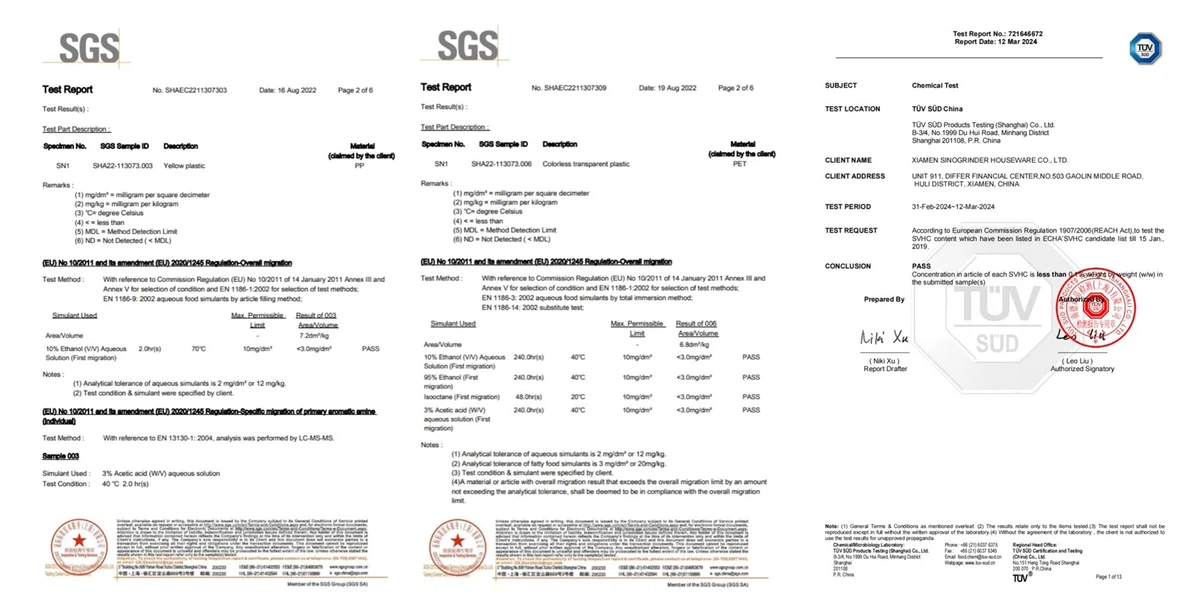
Certifications
Sampling Policy
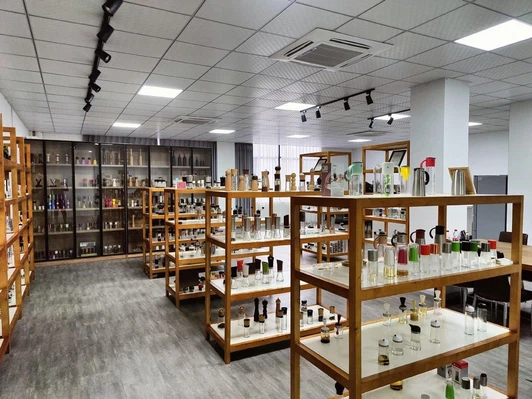
Battery Salt Grinder Factory samples are prepared using standard production components and the same assembly procedures applied in mass production, allowing buyers to evaluate actual structure, motor performance, and grinding consistency before order confirmation. Sample preparation involves component allocation, assembly scheduling, and functional testing, so sample and delivery costs are generally charged to the buyer.
For confirmed bulk orders, sample costs can be discussed as part of the cooperation terms, depending on order quantity and customization scope. This sampling approach helps ensure that the approved sample accurately reflects the specifications and assembly standard of the final production goods.
Supported Trade Terms
Salt Grinder Wholesales orders are handled under clearly defined trade terms based on shipment responsibility and destination requirements. In regular export operations, EXW, FOB, and CIF terms are commonly applied, with cost calculation and logistics coordination aligned to the selected delivery method and order volume.
For projects requiring door-to-door delivery, DDP terms can be evaluated after confirming destination, customs requirements, and shipment scale. Payment arrangements are discussed during order confirmation and are determined by order quantity, cooperation history, and overall project structure to ensure smooth production and shipment execution.
FAQ
Q: Are existing molds used for this product?
A: Yes. Standard production uses existing molds. Additional tooling is only required if structural modifications are requested.
Q: What is the typical lead time for bulk orders?
A:Mass production lead time is generally 20–35 days after order confirmation and deposit, depending on order quantity and customization scope.
Q:What packaging options are available?
A: Standard export packaging is provided. Customized retail packaging, inner boxes, and labeling can be arranged according to buyer requirements.
Q:How do you ensure quality consistency across repeated orders?
A: Production follows standardized processes, and key dimensions and materials remain consistent for repeat orders.


