

What power does an electric coffee grinder need?
As a supplier of electric coffee grinders, I've been frequently asked about the ideal power requirements for these essential kitchen appliances. The power of an electric coffee grinder plays a crucial role in determining its performance, grind quality, and overall user experience. In this blog post, I'll delve into the factors that influence the power needs of an electric coffee grinder and provide some insights to help you make an informed decision.
Understanding Power in Electric Coffee Grinders
Power in electric coffee grinders is typically measured in watts. The wattage indicates the amount of electrical energy the grinder consumes per unit of time. Generally, a higher wattage means the grinder has more power, which can translate to faster grinding times, more consistent grinds, and the ability to handle tougher coffee beans.
However, it's important to note that wattage is not the only factor that determines a grinder's performance. Other factors, such as the type of grinding mechanism (blade or burr), the quality of the grinder's components, and the design of the grinder, also play significant roles.
Factors Influencing Power Requirements
1. Grinding Mechanism
The type of grinding mechanism used in an electric coffee grinder has a major impact on its power requirements. There are two main types of grinding mechanisms: blade and burr.
- Blade Grinders: Blade grinders use a spinning blade to chop the coffee beans into smaller pieces. These grinders are generally less expensive and more compact than burr grinders. However, they tend to produce a more inconsistent grind, as the blade cuts the beans at different angles and sizes. Blade grinders typically require less power, usually ranging from 150 to 300 watts. You can explore our Electric Blade Coffee Grinder for a cost - effective option.
- Burr Grinders: Burr grinders use two rotating burrs (either conical or flat) to crush the coffee beans. This method produces a much more consistent grind size, which is essential for brewing high - quality coffee. Burr grinders require more power to drive the burrs and crush the beans effectively. They typically have a wattage ranging from 300 to 1000 watts, depending on the size and quality of the burrs.
2. Bean Type and Roast Level
The type of coffee beans and their roast level also affect the power needs of a grinder. Darker roasts are generally softer and easier to grind than lighter roasts. Lighter roasts have a higher density and require more force to break down. Additionally, specialty beans, such as those with a high moisture content or a hard outer shell, may also demand more power to grind.
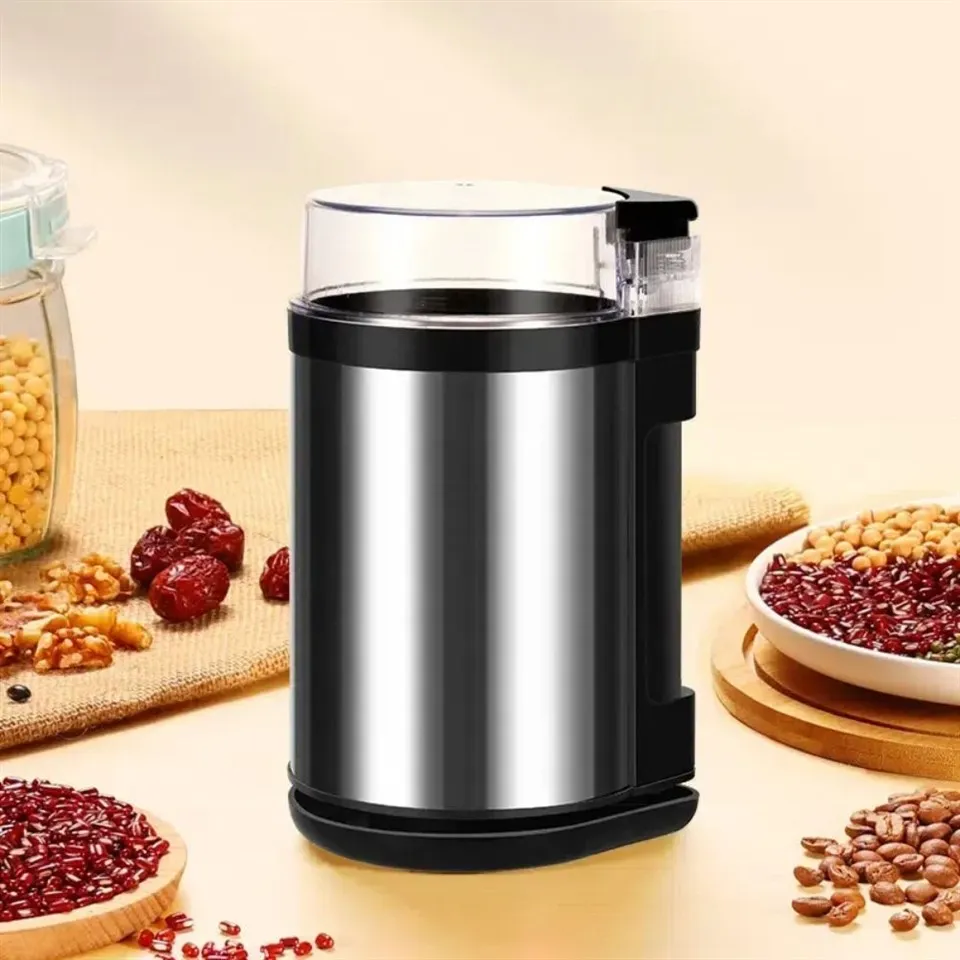

For example, if you're grinding a light - roasted single - origin coffee bean, you may need a grinder with more power to ensure a consistent grind. On the other hand, a dark - roasted blend can be ground with a lower - powered grinder.
3. Desired Grind Size
The grind size you want for your coffee also influences the power requirements. Finer grinds, such as those used for espresso, require more power because the grinder has to break the beans into smaller particles. Coarser grinds, like those used for French press or cold brew, are easier to achieve and may not require as much power.
If you frequently switch between different brewing methods and need a variety of grind sizes, it's advisable to choose a grinder with sufficient power to handle the finer grinds.
Choosing the Right Power for Your Needs
When selecting an electric coffee grinder, it's important to consider your specific needs and preferences. Here are some guidelines to help you choose the right power:
1. Casual Coffee Drinkers
If you're a casual coffee drinker who only makes a few cups of coffee a day and uses a simple brewing method like a drip coffee maker or a French press, a blade grinder with a power rating of 150 - 300 watts may be sufficient. These grinders are affordable, easy to use, and can produce a decent grind for everyday coffee.
2. Coffee Enthusiasts
For coffee enthusiasts who are more serious about their coffee and want to explore different brewing methods, a burr grinder is recommended. A burr grinder with a power rating of 300 - 600 watts can provide a consistent grind for most brewing methods, including pour - over, espresso, and AeroPress.
3. Commercial Use
In a commercial setting, such as a coffee shop or a restaurant, where large quantities of coffee need to be ground quickly and consistently, a high - powered burr grinder with a wattage of 600 - 1000 watts is essential. These grinders can handle heavy - duty use and ensure a consistent grind quality throughout the day.
Benefits of the Right Power
Choosing the right power for your electric coffee grinder offers several benefits:
1. Consistent Grind Quality
A grinder with the appropriate power can produce a more consistent grind size, which is crucial for extracting the best flavors from your coffee beans. A consistent grind ensures that the water extracts the coffee evenly, resulting in a balanced and flavorful cup of coffee.
2. Faster Grinding Times
Higher - powered grinders can grind coffee beans more quickly, saving you time, especially if you're in a rush in the morning. This is particularly important for commercial settings where efficiency is key.
3. Longer Lifespan
Using a grinder with the right power can also extend its lifespan. A grinder that is underpowered may struggle to grind the beans, causing the motor to overheat and wear out more quickly. On the other hand, an overpowered grinder may use more energy than necessary and may be more expensive to operate.
Conclusion
In conclusion, the power requirements of an electric coffee grinder depend on several factors, including the grinding mechanism, bean type and roast level, and desired grind size. By understanding these factors and your specific needs, you can choose a grinder with the right power to meet your coffee - brewing requirements.
As a supplier of electric coffee grinders, we offer a wide range of products with different power ratings and features to suit every customer's needs. Whether you're a casual coffee drinker or a professional barista, we have the perfect grinder for you.
If you're interested in learning more about our electric coffee grinders or have any questions about power requirements, please don't hesitate to contact us. We're here to help you make the best choice for your coffee - brewing needs and look forward to discussing potential procurement opportunities with you.
References
- Illy, Andrea, and Ric Rhinehart. "The Coffee Coffee: A Guide to Buying, Brewing, and Enjoying." Simon & Schuster, 2005.
- Rao, Scott. "The Professional Barista's Handbook." Scott Rao Media, 2014.