

Hey there! As a supplier of oil and vinegar bottles, I've seen firsthand how important it is to store these bottles properly when they're not in use. Not only does it keep your kitchen organized, but it also helps preserve the quality of the oil and vinegar inside. In this blog post, I'll share some tips on how to store your oil and vinegar bottles effectively.
Choose the Right Location
The first step in storing your oil and vinegar bottles is to find the right location. You want to pick a spot that's cool, dark, and away from direct sunlight and heat sources. Sunlight and heat can cause the oil and vinegar to break down, lose their flavor, and even go rancid.
A pantry or a cabinet is usually a great choice. These areas are typically out of the way of direct sunlight and can maintain a relatively stable temperature. If you don't have a pantry, a kitchen cabinet away from the stove or oven will work just fine. Avoid storing your bottles near the dishwasher, as the heat and steam from it can also affect the contents.
Keep Them Upright
It's best to store your oil and vinegar bottles upright. This helps prevent leaks and also keeps the cork or cap from getting soaked in the liquid, which could lead to contamination or spoilage. When a bottle is stored on its side for a long time, the liquid can seep into the seal, causing it to deteriorate and allowing air to enter the bottle.
If you have bottles with a pour spout, make sure it's properly sealed when not in use. Some pour spouts come with a cap or a stopper that you can use to keep the air out. This extra layer of protection can go a long way in preserving the freshness of your oil and vinegar.
Consider the Type of Bottle
The type of bottle you use can also affect how you store it. Glass bottles are a popular choice for storing oil and vinegar because they're non - porous and don't react with the contents. They also offer good protection from light. However, they can be heavy and breakable.
Plastic bottles are lighter and more durable, but they may not provide as much protection from light. If you choose plastic bottles, look for ones that are opaque or have UV protection to keep the oil and vinegar from being exposed to light.
Ceramic bottles are another option. They look great and can add a touch of style to your kitchen. But they can be porous, so make sure they're properly glazed to prevent the liquid from seeping into the ceramic.
Use Sealed Containers
If you've opened a large bottle of oil or vinegar and don't plan to use it all at once, consider transferring some of the liquid into smaller, sealed containers. This reduces the amount of air in contact with the liquid, which slows down the oxidation process. Oxidation is what causes oil and vinegar to go bad over time.

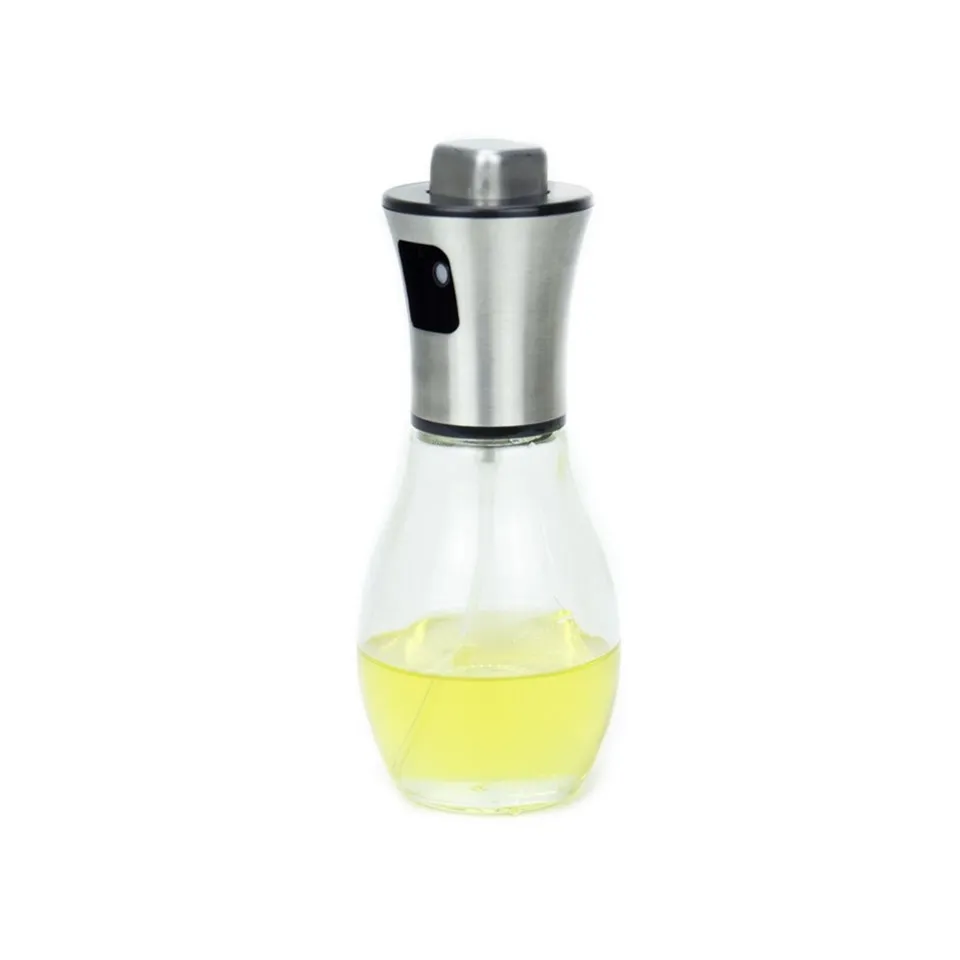
You can find a variety of small, sealed containers at your local kitchen store or online. Olive and Vinegar Bottles come in different sizes and styles, so you can choose the ones that best suit your needs.
Label Your Bottles
Labeling your oil and vinegar bottles is a simple but effective way to keep track of what's inside and when you opened them. You can use a permanent marker or a label maker to write the name of the oil or vinegar, the date you opened it, and any other relevant information.
This is especially important if you have multiple types of oil and vinegar. It helps you quickly identify what you need and also reminds you when it's time to use up a particular bottle. Some oils and vinegars have a shorter shelf life than others, so labeling can prevent you from using expired products.
Check for Spoilage Regularly
Even if you store your oil and vinegar bottles properly, it's still a good idea to check them regularly for signs of spoilage. For oil, look for a cloudy appearance, a rancid smell, or a bitter taste. Rancid oil can have a negative impact on your health, so it's important to discard it if you notice these signs.
Vinegar can also spoil, although it usually has a longer shelf life than oil. Signs of spoiled vinegar include a change in color, a moldy smell, or the presence of sediment. If you see any of these signs, it's best to throw the vinegar away.
Temperature Control
Temperature plays a crucial role in the storage of oil and vinegar. Most oils and vinegars are best stored at a temperature between 50°F and 70°F (10°C - 21°C). If the temperature is too high, the oil can oxidize more quickly, and the vinegar can start to ferment.
If you live in a hot climate, you might want to consider storing your oil and vinegar in the refrigerator. However, some oils, like olive oil, can solidify in the cold. If this happens, just let the oil come to room temperature before using it, and it will return to its normal consistency.
Avoid Contamination
To prevent contamination, always use clean utensils when pouring oil or vinegar from the bottle. Dirty spoons or forks can introduce bacteria or other contaminants into the liquid, which can cause it to spoil.
Also, make sure the cap or cork of the bottle is clean before you put it back on. If there's any residue on the cap, wipe it off with a clean cloth. This simple step can help keep your oil and vinegar fresh for longer.
Group Similar Bottles Together
Organizing your oil and vinegar bottles by type can make it easier to find what you need. Group all your olive oils together, your balsamic vinegars together, and so on. This not only makes your storage area look neater but also saves you time when you're cooking.
You can use a shelf organizer or a drawer divider to keep the bottles separate and in an orderly manner. This way, you won't have to rummage through a bunch of bottles to find the one you want.
Long - Term Storage
If you're storing oil and vinegar for a long time, you might want to consider vacuum - sealing the bottles. Vacuum - sealing removes the air from the bottle, which slows down the oxidation process and extends the shelf life of the contents.
There are vacuum - sealing machines available for home use, or you can find vacuum - sealable bags or containers that you can use to store your bottles. This is a great option if you have a large supply of oil and vinegar that you don't plan to use for a while.
Conclusion
Storing your oil and vinegar bottles properly is essential for maintaining their quality and flavor. By choosing the right location, keeping them upright, using sealed containers, and following the other tips I've shared, you can ensure that your oil and vinegar stay fresh for as long as possible.
If you're in the market for high - quality oil and vinegar bottles, we've got you covered. We offer a wide range of Olive Oil Vinegar Containers that are designed to meet your storage needs. Whether you're a home cook or a professional chef, our bottles are made to keep your oil and vinegar in top condition.
If you're interested in purchasing our oil and vinegar bottles, feel free to reach out to us for more information. We're always happy to discuss your requirements and help you find the perfect bottles for your kitchen.
References
- "The Science of Food Storage" by Food Science Journal
- "Kitchen Storage Solutions" by Home Cooking Magazine
- "Best Practices for Oil and Vinegar Preservation" by Culinary Institute Research Report