
Are Grinder Caps Heat-Resistant?
As a supplier of grinder caps, I often encounter inquiries from customers regarding the heat resistance of these essential components. Grinder caps play a crucial role in the functionality and safety of spice grinders, coffee grinders, and other similar appliances. Understanding their heat resistance is vital for both manufacturers and end - users.
The Importance of Heat Resistance in Grinder Caps
In the context of grinder caps, heat resistance is not just a nice - to - have feature; it is a necessity. When a grinder is in operation, especially high - speed or heavy - duty grinders, friction is generated between the grinding mechanism and the material being ground. This friction can lead to a significant increase in temperature within the grinder chamber. If the grinder cap is not heat - resistant, it may deform, melt, or release harmful chemicals into the ground product.

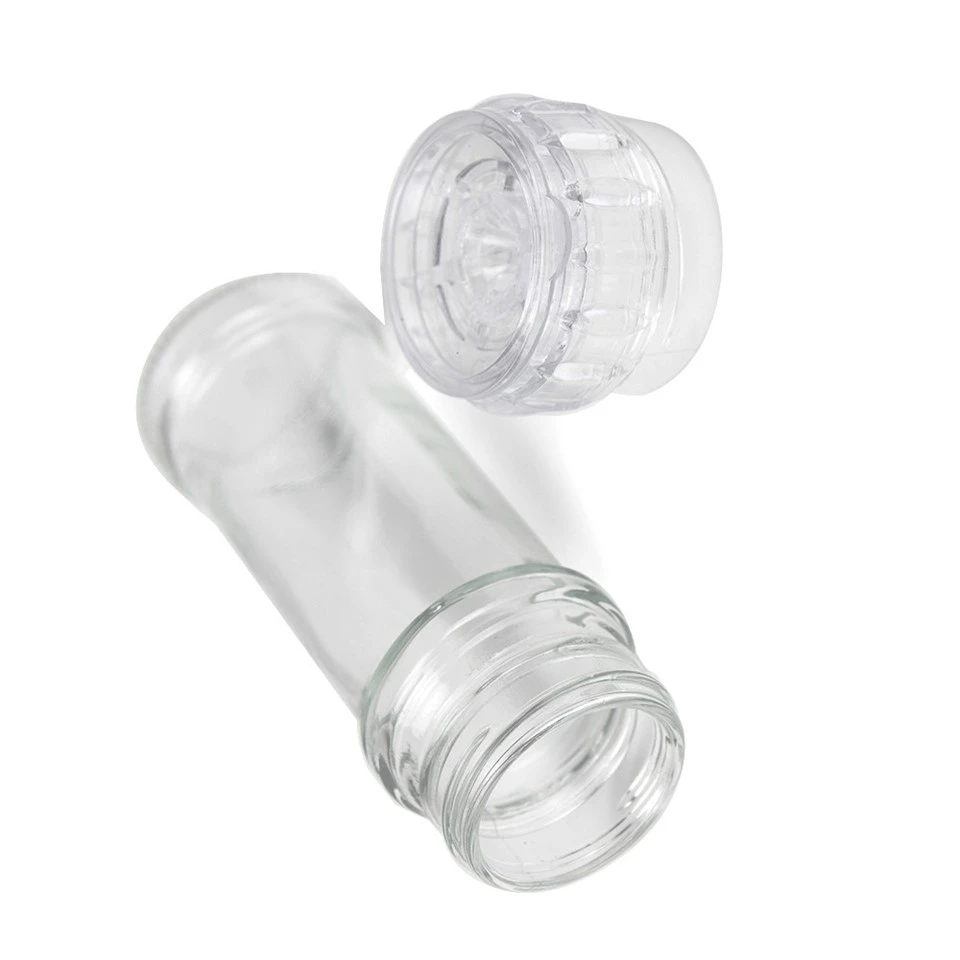
For example, in a spice grinder, the process of grinding dry spices can generate heat due to the mechanical action. If the cap deforms under this heat, it can compromise the seal of the grinder, allowing spices to escape and potentially causing a mess. Moreover, if the cap is made of a material that releases toxins when heated, it can contaminate the spices, making them unfit for consumption.
Materials Used in Grinder Caps and Their Heat Resistance
The heat resistance of a grinder cap largely depends on the material from which it is made. Here are some common materials used in the production of grinder caps and their heat - resistant properties:
-
Plastic Materials
- Polypropylene (PP): Polypropylene is a widely used plastic in the manufacturing of grinder caps. It has a relatively good heat resistance, with a melting point typically around 160 - 166°C. This makes it suitable for most low - to - medium - heat applications in household grinders. However, in high - power grinders or continuous operation scenarios, PP caps may start to show signs of softening.
- Polystyrene (PS): Polystyrene is another plastic option. It has a lower heat resistance compared to PP, with a melting point of around 90 - 100°C. PS caps are more commonly used in less demanding applications where the heat generated during grinding is minimal.
-
Silicone
Silicone is known for its excellent heat resistance. It can withstand temperatures ranging from - 60°C to 230°C, making it an ideal choice for grinder caps in high - heat applications. Silicone caps are flexible, durable, and resistant to deformation under heat. They also provide a good seal, preventing the escape of ground materials. -
Metal
Metal caps, such as those made of stainless steel, have extremely high heat resistance. Stainless steel can withstand very high temperatures without melting or deforming. Metal caps are often used in industrial - grade grinders or high - end consumer products where heat generation is significant.
Testing Heat Resistance of Grinder Caps
To ensure the quality and safety of grinder caps, manufacturers conduct various heat - resistance tests. One common test is the oven test. In this test, the grinder cap is placed in an oven at a specific temperature for a set period of time. The temperature and duration are determined based on the expected operating conditions of the grinder.
After the test, the cap is inspected for any signs of deformation, such as warping, cracking, or melting. If the cap passes the test, it indicates that it can withstand the specified temperature without significant damage. Another test method is the in - situ test, where the cap is installed on a grinder and the grinder is operated under normal or accelerated conditions. The temperature inside the grinder is monitored, and the cap is examined for any changes.
Real - World Applications and Considerations
In real - world applications, the heat resistance requirements of grinder caps vary depending on the type of grinder and the material being ground. For example, a coffee grinder that is used to grind whole coffee beans may generate more heat compared to a spice grinder used for grinding mild spices.
When choosing a grinder cap, consumers should consider the power of the grinder, the frequency of use, and the type of materials they will be grinding. For occasional home use, a plastic cap made of PP may be sufficient. However, for commercial or heavy - duty use, a silicone or metal cap may be a better choice.
As a grinder cap supplier, we offer a wide range of options to meet different heat - resistance requirements. Our Spice Grinder Cap is designed with high - quality materials to ensure optimal performance and safety. Whether you need a cap for a small household grinder or a large - scale industrial grinder, we have the right solution for you.
The Impact of Heat Resistance on Product Lifespan
Heat resistance also has a significant impact on the lifespan of grinder caps. A cap that can withstand high temperatures without deforming will last longer and provide better performance over time. For instance, a silicone cap in a high - heat grinder will maintain its shape and seal, preventing the ingress of moisture and other contaminants. This not only extends the life of the cap but also protects the internal components of the grinder from damage.
On the other hand, a cap with poor heat resistance may need to be replaced frequently. This can be costly for both consumers and manufacturers, as it involves not only the cost of the replacement part but also the downtime associated with replacing the cap.
Future Trends in Grinder Cap Heat Resistance
With the continuous development of technology, the demand for more heat - resistant grinder caps is increasing. Manufacturers are constantly researching and developing new materials and manufacturing processes to improve the heat - resistant properties of grinder caps.
One trend is the use of composite materials. By combining different materials, such as plastic and silicone, it is possible to create a cap that has the best of both worlds: the flexibility of plastic and the high heat resistance of silicone. Another trend is the development of smart grinder caps that can monitor and adjust to the temperature inside the grinder, providing an extra layer of safety and performance.
Contact for Procurement and洽谈
If you are interested in purchasing grinder caps with the right heat - resistant properties for your specific application, we are here to help. We have a team of experts who can provide you with detailed information about our products and assist you in making the right choice. Whether you are a small business looking for a few caps or a large manufacturer in need of bulk orders, we can meet your requirements. Reach out to us to start a discussion about your procurement needs.
References
- ASTM International. "Standard Test Methods for Melting Point and Crystallization Point of Polymers by Thermal Analysis." ASTM D3418 - 15.
- Plastics Industry Association. "Properties of Common Plastics."
- Silicone Engineering Handbook.