

Hey there! As a supplier of oil and vinegar bottles, I've seen my fair share of issues when it comes to leakage. It's super annoying, right? You open your pantry, and there's a sticky mess all over the place because the oil or vinegar has leaked out of the bottle. But don't worry, I've got some tips and tricks to help you prevent this from happening.
Choose the Right Bottle
First things first, picking the right bottle is crucial. You want a bottle that's made of good - quality materials. Glass bottles are a great option. They're non - porous, so they won't absorb the oil or vinegar, and they're also resistant to chemical reactions. Plastic bottles can work too, but make sure they're made of food - grade plastic.
When it comes to the design of the bottle, look for ones with a tight - fitting cap. A screw - on cap with a rubber seal is usually a good choice. It creates a strong barrier that keeps the oil and vinegar inside. You can check out our Olive Oil Vinegar Containers and Olive and Vinegar Bottles on our website. We've got a wide range of options with different cap designs to suit your needs.
Proper Filling
Another important factor is how you fill the bottle. Don't overfill it. Leave some space at the top, usually about an inch or so. This space allows for expansion, especially if the temperature changes. You know how liquids expand when they get warm. If you fill the bottle to the brim, there's no room for the expansion, and the pressure can build up, causing the liquid to leak out.
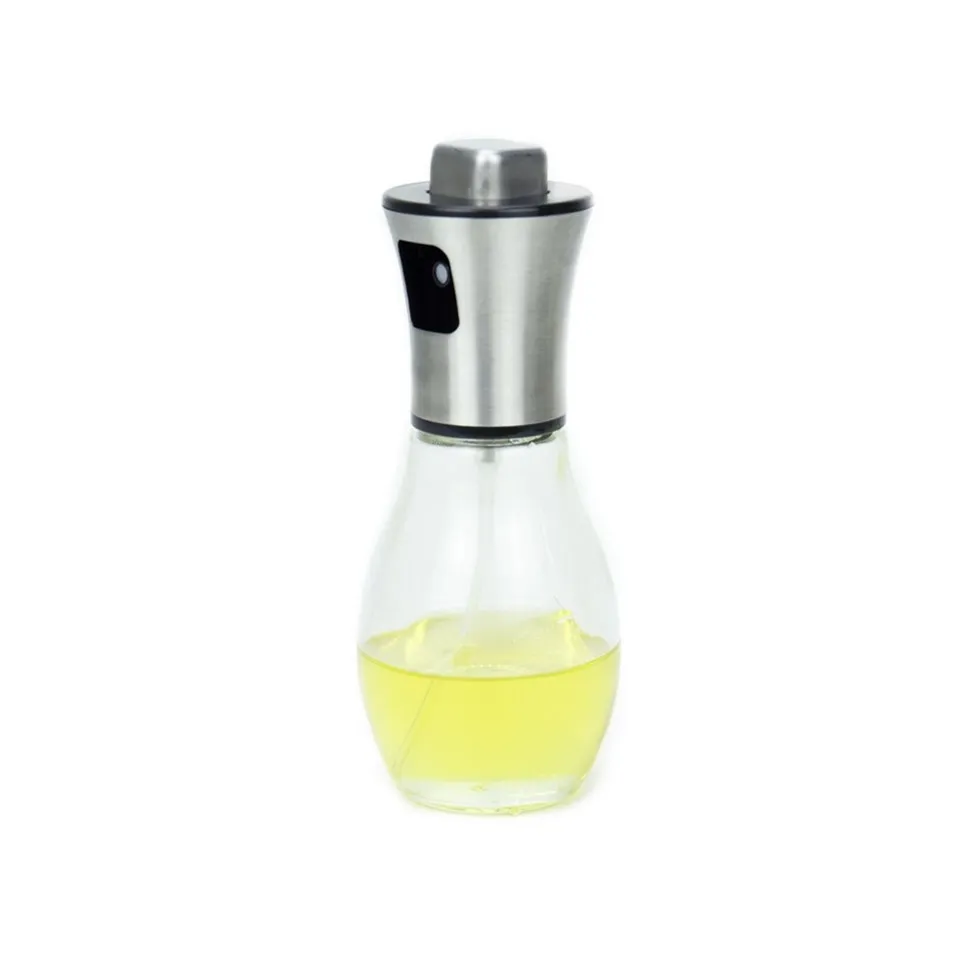
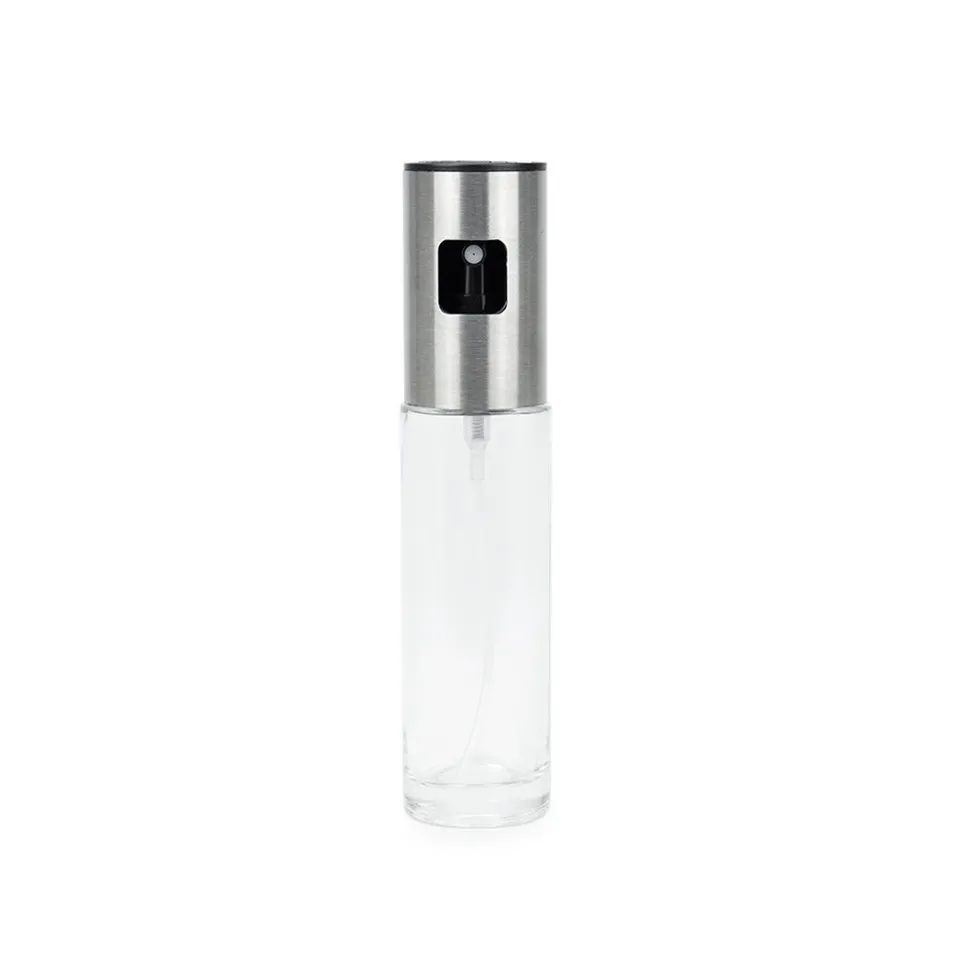
Also, be careful when pouring the oil or vinegar into the bottle. Try to pour it slowly and steadily. If you pour too fast, it can splash and get around the cap area. This can prevent the cap from sealing properly, leading to leakage.
Storage Conditions
Where you store your oil and vinegar bottles matters a lot. Keep them in a cool, dry place. High temperatures can cause the liquid to expand and the seals to loosen. Avoid storing them near the stove or in direct sunlight. A pantry or a cabinet away from heat sources is a great spot.
If you're storing multiple bottles, make sure they're not overcrowded. When bottles are pushed together too tightly, it can put pressure on the caps and cause them to loosen. Leave some space between each bottle to ensure a proper seal.
Check the Seals Regularly
You should check the seals of your oil and vinegar bottles regularly. Over time, the rubber seals can wear out or get damaged. If you notice any signs of wear, like cracks or tears, it's time to replace the seal. You can usually find replacement seals at a hardware store or ask us for assistance.
Also, make sure the cap is screwed on tightly every time you use the bottle. Sometimes, we might be in a hurry and not screw the cap on properly. A loose cap is an open invitation for leakage.
Cleaning the Bottles
Cleaning your oil and vinegar bottles is essential. Residue from the oil or vinegar can build up around the cap and the neck of the bottle. This can prevent the cap from sealing properly. Wash the bottles with warm, soapy water regularly. Use a bottle brush to get into all the nooks and crannies. Rinse them thoroughly and let them dry completely before refilling.
Using Additional Sealing Methods
If you're still worried about leakage, you can use some additional sealing methods. For example, you can use a piece of plastic wrap. Place the plastic wrap over the opening of the bottle before screwing on the cap. This adds an extra layer of protection.
Another option is to use a silicone gasket. You can find these in different sizes at a craft store. Place the gasket between the cap and the bottle for a better seal.
Handling the Bottles
Be gentle when handling your oil and vinegar bottles. Don't shake them too vigorously. Rough handling can cause the liquid to splash around and put pressure on the cap. When you're moving the bottles, hold them carefully and avoid dropping them. A dropped bottle can damage the cap or the seal, leading to leakage.
Quality Control at the Supplier End
As a supplier, we take quality control very seriously. We make sure that all our oil and vinegar bottles are tested for leakage before they leave our facility. We use advanced manufacturing techniques to ensure a tight - fitting cap and a durable seal. Our bottles are designed to withstand normal wear and tear, but proper use and maintenance on your end are still important.
Conclusion
Preventing oil and vinegar from leaking out of the bottle isn't rocket science. By choosing the right bottle, filling it properly, storing it in the right conditions, checking the seals regularly, cleaning it, and using additional sealing methods if needed, you can keep your pantry mess - free.
If you're in the market for high - quality oil and vinegar bottles, we're here to help. We've got a great selection of bottles that are designed to prevent leakage. Whether you're a home cook or a restaurant owner, we can provide you with the perfect solution. Just reach out to us for more information and to start a procurement discussion. We're looking forward to working with you!
References
- General knowledge on food storage and container design.
- Experience as an oil and vinegar bottle supplier.