

Product Introductions
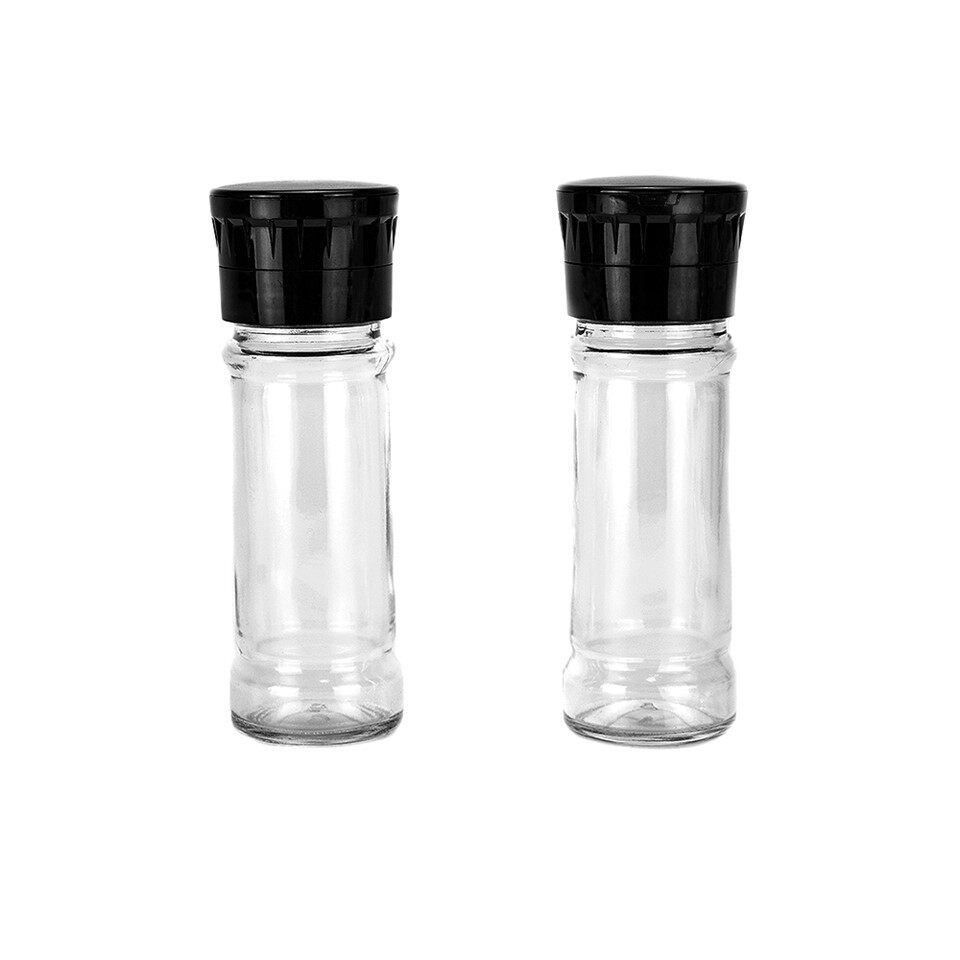
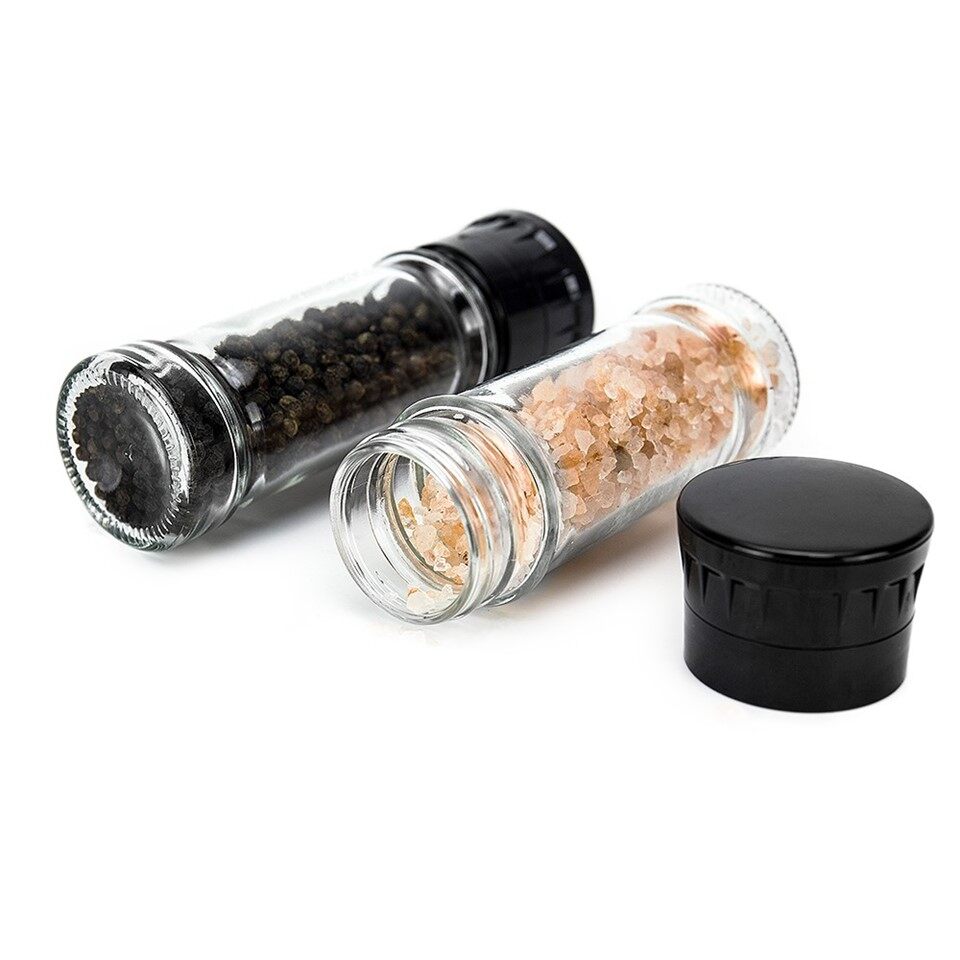
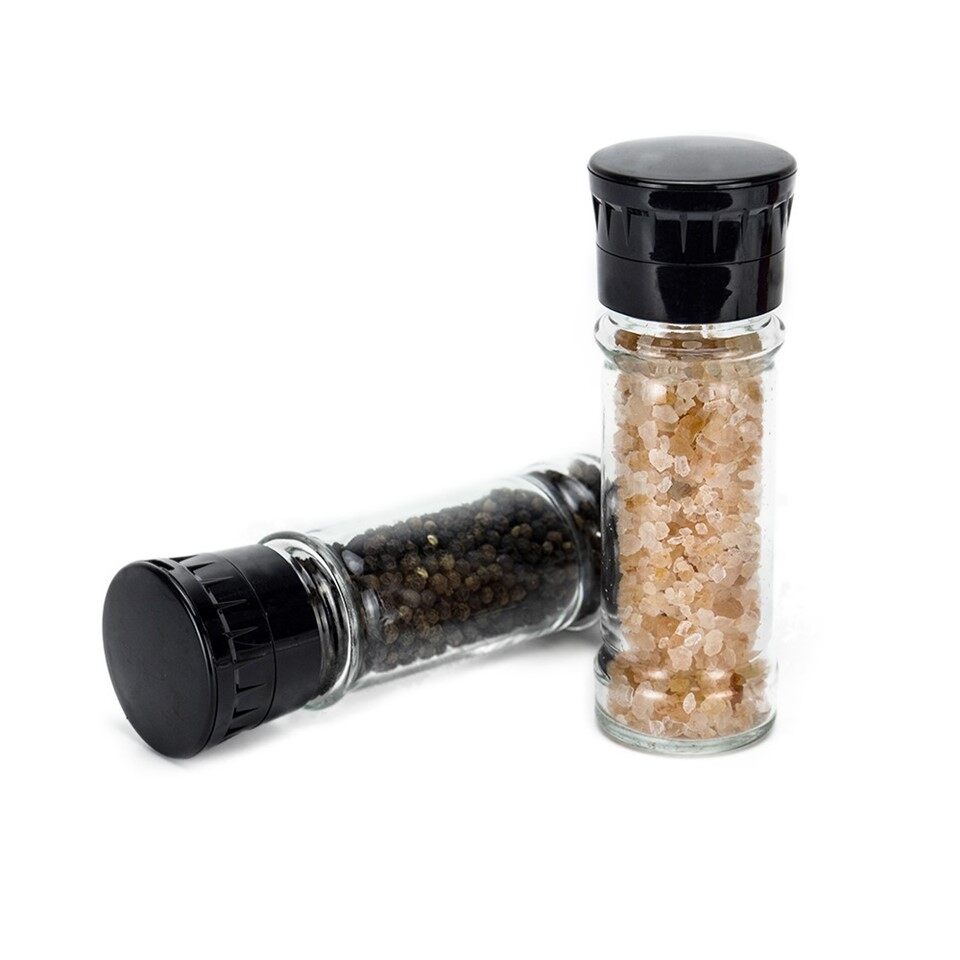
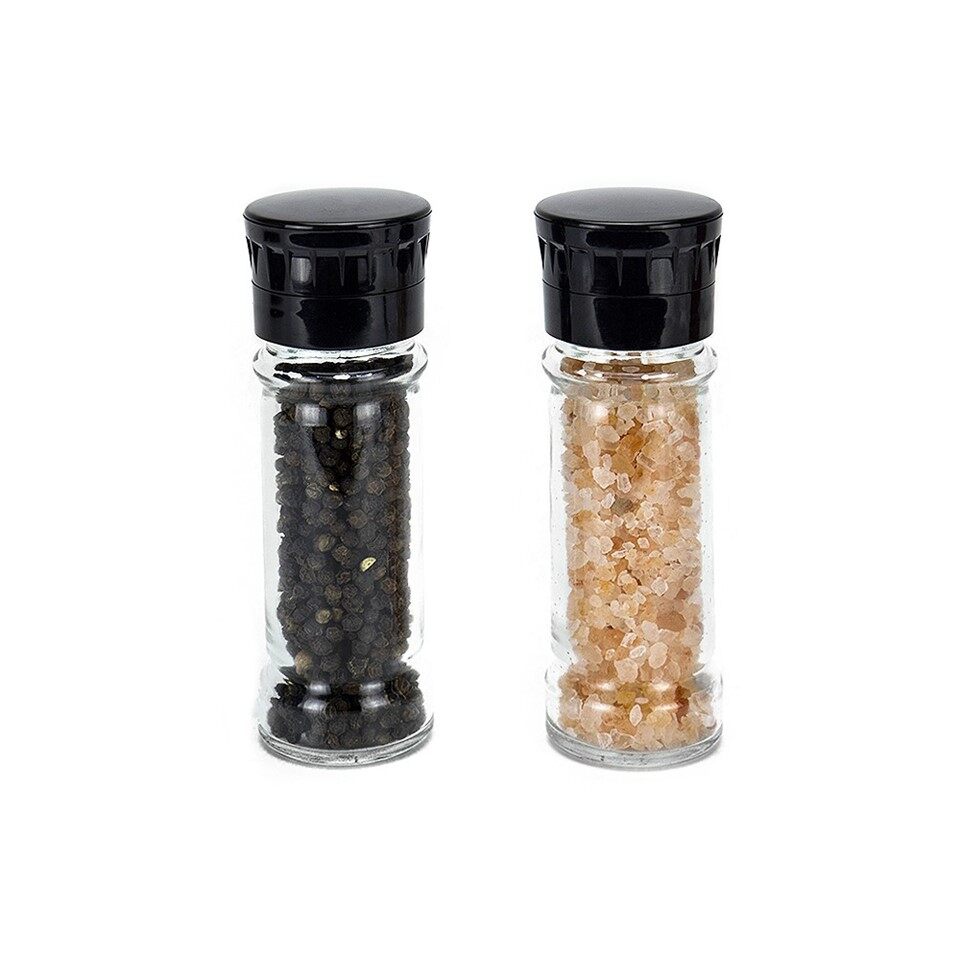
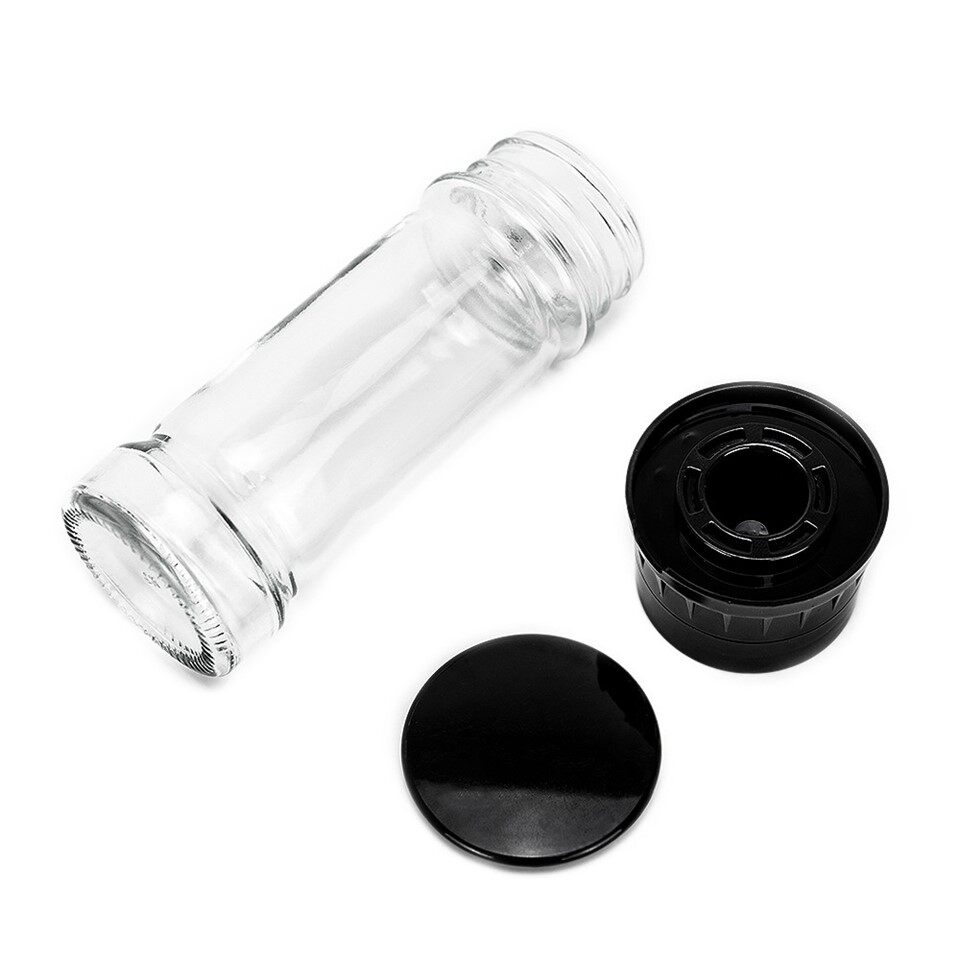
The Kitchen Plastic Pepper Mill is developed from a manufacturing standpoint for stable, repeatable output within the plastic salt and pepper grinder range. During product definition, the structure was set around a PC plastic upper housing paired with a glass container to ensure dimensional control during injection molding, reliable thread engagement during assembly, and consistent appearance across production batches.
This model is positioned for bulk supply programs where tolerance stability, assembly efficiency, and packaging coordination are critical. The 100ml capacity and φ45×135mm overall size are determined based on common grinding mechanism specifications and carton loading efficiency, allowing smooth integration into standardized assembly lines without additional structural adjustment.

Product Parameters
| Item | Specification |
|---|---|
| Product Name | Kitchen Plastic Pepper Mill |
| Model | H51-291 |
| Material | PC plastic + glass |
| Size | φ45 × 135 mm |
| Capacity | 100 ml |
| Grinding Type | Manual |
| Compatible Contents | Pepper, salt, dry spices |
| Assembly Option | With or without grinding mechanism |
| Application | Retail packaging, OEM / bulk supply |
Material & Structural Design

The Kitchen Plastic Pepper Mill adopts a PC plastic upper body selected specifically for injection molding stability and long-term assembly performance. In mass production, this material provides consistent shrinkage control and thread definition, which helps maintain reliable fit during repeated cap-to-bottle assembly and reduces variation between production batches.
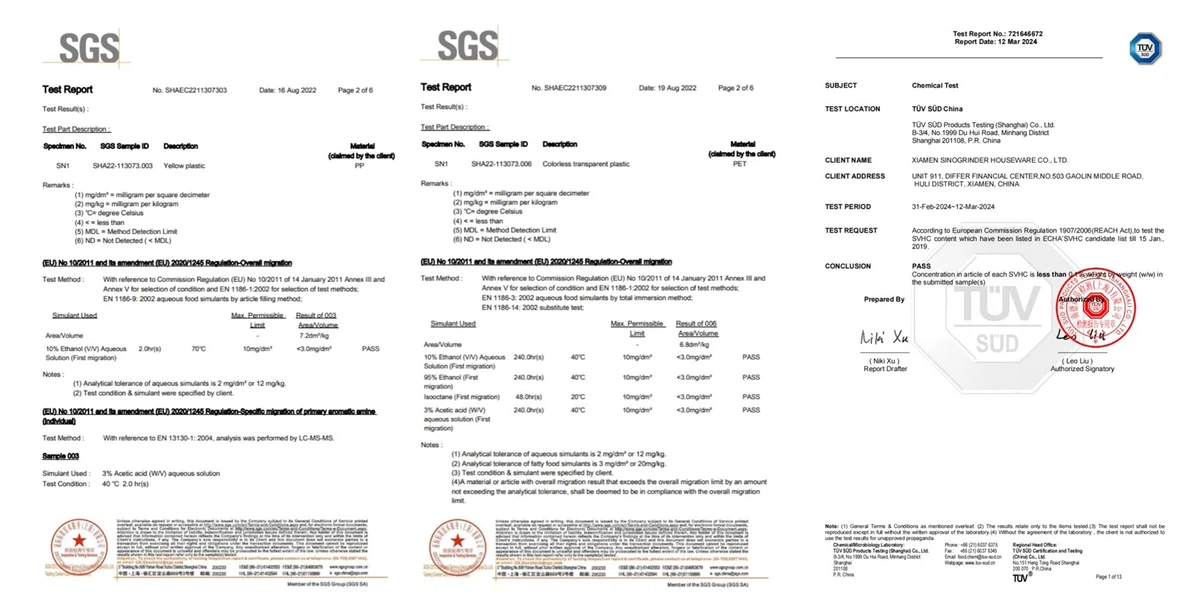
The glass container is specified to meet food-contact requirements while maintaining uniform wall thickness during forming. From a production standpoint, this supports consistent weight control, stable visual appearance, and reduced breakage risk during downstream handling, packing, and transportation.
Certifications
Production Process
The Pepper Mill Wholesales is manufactured through a structured factory workflow built around continuous batch production rather than one-off assembly. Before scheduling, PC resin and glass materials are checked against approved material standards, including resin grade verification and basic physical inspection, to ensure stability across long production runs.
Plastic components are produced by injection molding using dedicated molds assigned to this model. During molding, key parameters such as cycle time, cooling duration, and cavity output are controlled to keep thread accuracy and part consistency within defined tolerances. Mold output is monitored batch by batch to avoid dimensional drift during extended production.
Glass containers enter the production flow as a separate stream and are inspected for wall thickness uniformity, opening diameter, and surface condition before assembly. This step is critical to ensure stable fit with the plastic upper body and to reduce handling loss during internal transfer and packing.
After-Sales Support
The Plastic Pepper Mill Factory is supplied with post-delivery support handled from a manufacturing coordination perspective rather than a retail service model. After shipment, technical records for each order-covering material selection, mold configuration, and assembly setup-are retained to support specification clarification and future repeat production.
In cases where production-related issues are confirmed, replacement handling is managed at batch level, allowing corrective actions to be traced back to specific production runs and implemented in subsequent manufacturing. For repeat orders, technical communication is maintained with the same production parameters to ensure continuity in dimensions, assembly performance, and packaging configuration.
This approach is intended to support long-term sourcing programs where consistency across multiple shipments is required, rather than isolated, one-time transactions.
FAQ
Q: How to control dimensional consistency during mass production?
A: By using fixed molds, stabilizing process parameters, and conducting in-process dimensional checks, we ensure dimensional consistency within the same batch and across batches.
Q:How can the breakage rate of glass bottles be reduced during transportation?
A: Glass containers are screened before leaving the factory, and are packaged using separation or cushioning methods to reduce the risk of collisions during transportation.
Q:Can samples be confirmed before mass production?
A: Samples can be provided for confirmation of dimensions, structure, and assembly. The samples and subsequent mass production will use the same process standards.
Q:Is it suitable for long-term, recurring purchases?
A: Yes, this model was designed and manufactured with long-term supply stability and cost control in mind.


